
CNC technology
Which type of CNC should you choose?
12 July 2026
Whatever the machine, the principle is the same: removing material based on a programming file.
Whatever the case, the subsequent operations will be the same. Selecting and measuring the raw material, creating a G-code file, setting the zeros on every axis… It is only once the job is running that each machine reveals its qualities.
There are three families, all present in our catalogue:
The router
The router's advantage is its ease of use and great versatility. It can handle a wide variety of materials over large surfaces.
Typically, it is the ideal machine for cutting wood or acrylic sheet, large-surface engraving, or making simple parts in soft metals.
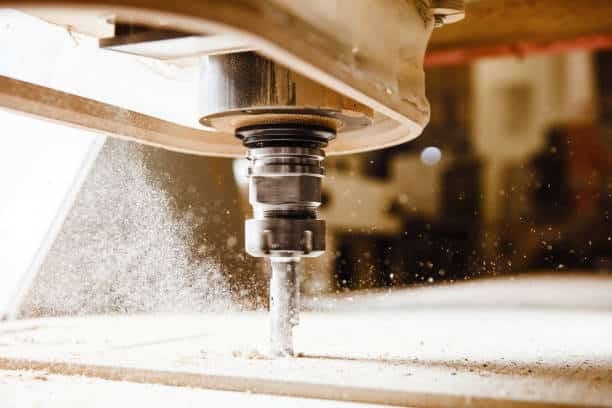
Note, however, that a router is likely to show its limits when working hard metals (steel, stainless steel, certain aluminium alloys). Its design with a large gantry gives it a large work area, but at the cost of rigidity unsuited to certain tasks.
In summary:
- versatile machine, perfect for workshops handling a wide variety of materials over large surfaces;
- easy to program, easy to install;
- comfortable power levels;
- unsuited to working steel and other hard metals.
The CNC mill
At the crossroads of the router and the machining centre, the SCS Series offers a complete service: wood, aluminium, steel, stainless steel — every material can be handled with the same level of precision and finish.
Built from a very rigid welded-steel structure and high-end linear rails, it offers the rigidity and precision needed to machine complex parts.
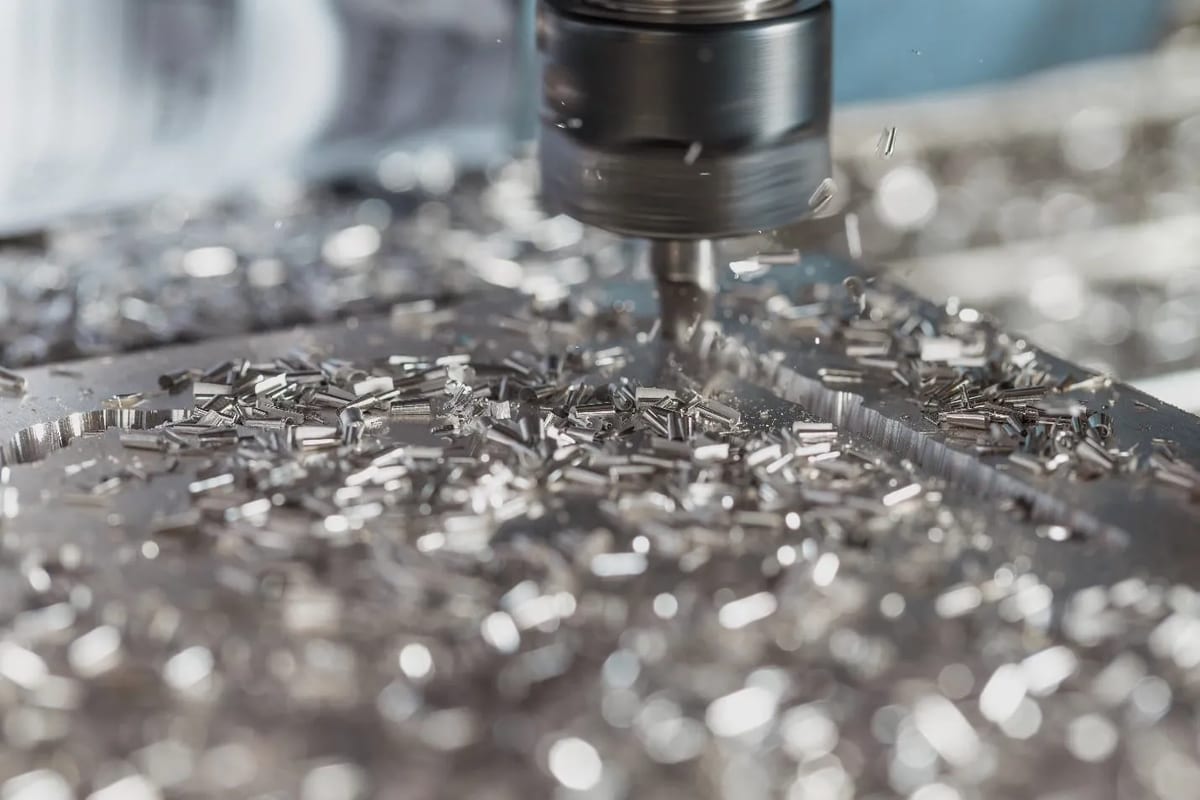
Precision is also there, with a resolution of ±0.01 mm per axis.
Watch out, however, for the work area, which is smaller than a router solution.
In summary:
- good ability to work metals, even hard ones;
- high precision, good rigidity;
- able to produce complex parts;
- smaller work area than a router.
The miniature machining centre
The machining centre is the culmination of the CNC mill: increased rigidity and precision, and an automatic tool changer for continuous operation.
The approach is more radical, with a design geared toward producing complex parts.
The machining centre can handle any alloy and turn it into any part.
The design is based on a granite cast-iron frame and a high weight.
The pneumatic tool magazine also enables smooth, automated operation on any type of job.
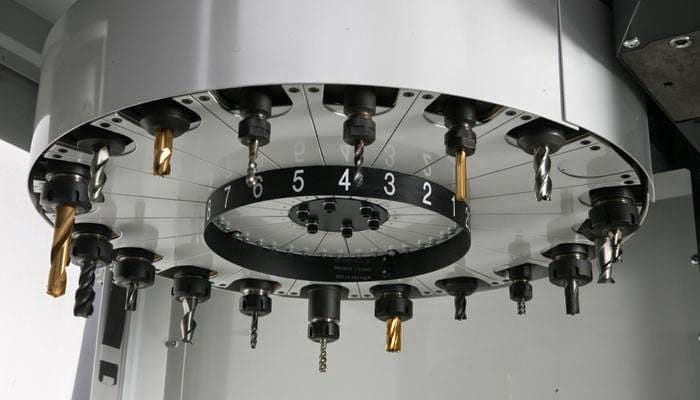
Note, however, that the work area is smaller than a conventional CNC mill; furthermore, programming is more demanding due to managing the different tools.
In summary:
- excellent ability to work metals, even hard ones;
- excellent precision and rigidity;
- able to produce very complex parts;
- automated tool management thanks to the pneumatic magazine;
- limited work area;
- demanding machine programming.
Still hesitating about which range to choose? Contact us: we will be glad to advise you or to schedule a trial!